


All the time in the world?
On priorities, leadership and not becoming a bottleneck
Making time is one of the biggest challenges in leadership. Calendars fill up quickly, daily life is full of decisions, and at the same time leaders are expected to set direction, develop people and think strategically.
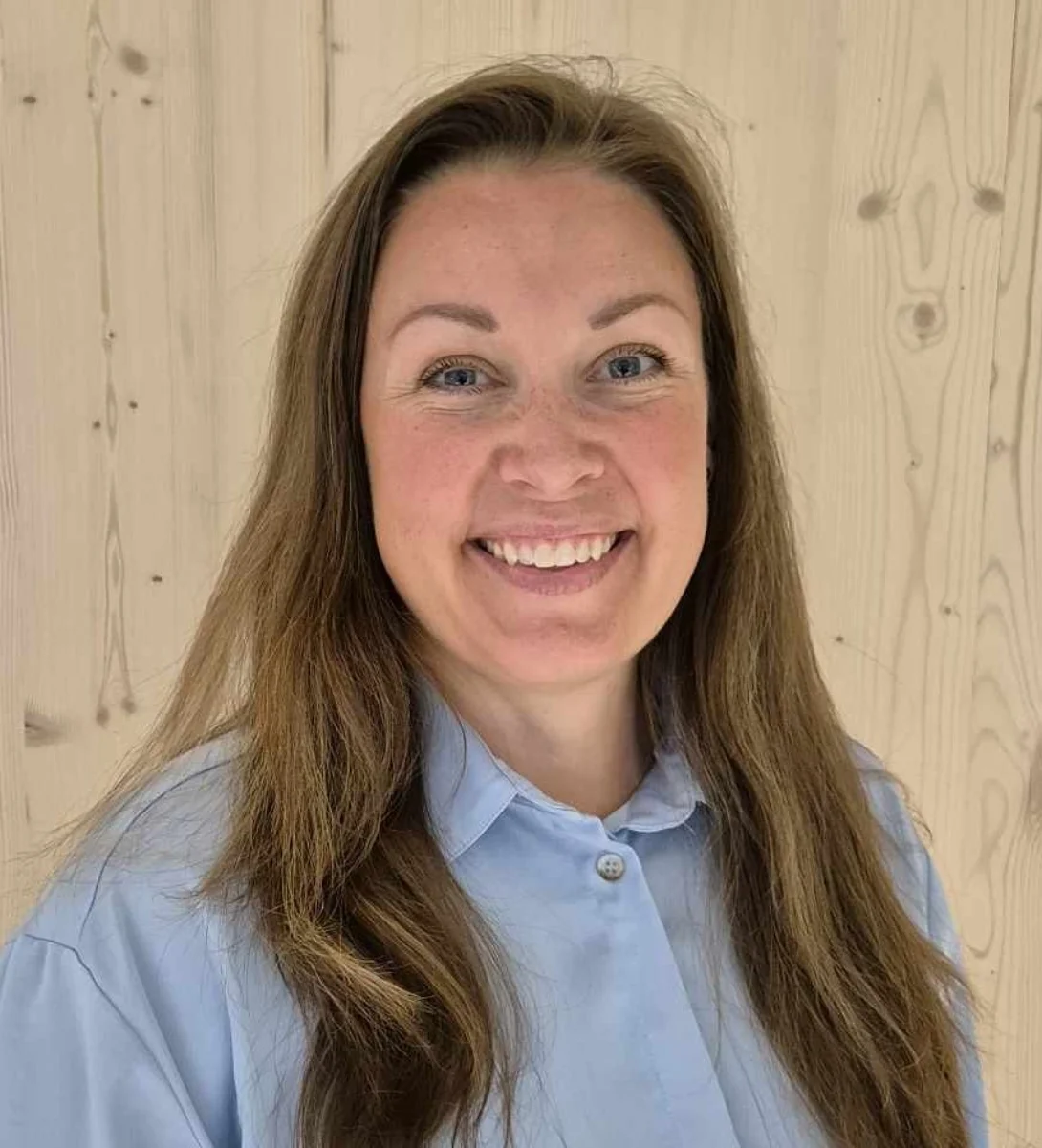
We have spoken to Caroline Krafve Klinteby, HR Manager at Euromaster Sweden, on how she views time management from a leadership perspective and what she has learnt along the way.
“I am a time optimist”
When Caroline was first asked to talk about time management, her spontaneous reaction was almost hesitant.
- "At first I thought maybe I'm not the right person," she says, laughing. "I'm a time optimist and want to do a lot.
But there is also an important realisation.
- For me, it's very much about being aware of your strengths and weaknesses when it comes to time. And to constantly reflect on how you work.
With many years in HR in different industries, she has also seen how central the topic is, especially for managers.
- I think this is a very important issue for leaders. Both for those who have been managers for a long time and for those who are new to the role.
Plan, but also plan for the unexpected
One of the most important things Caroline has learnt is that time management is not only about structure but also about dealing with the unexpected.
- For me, it's very much about having a plan for the future, but also having a plan for the unplannable.
HR work involves both long-term projects and things that have to work exactly according to plan.
- For example, we have salaries in our team. We cannot pay the salary on the 27th instead of the 25th. We cannot do that. At the same time, there are always things that happen that you need to deal with along the way.
The key is therefore to work actively on planning while leaving room for the unexpected.
- You need to constantly roll the plan forward and make room for things that come up.
The risk of getting stuck in fire brigade emergencies
One of the most common challenges in organisations is getting stuck in the operational.
- It's very easy to get caught up in putting out fires. You can spend a whole day or a whole year doing it.
Therefore, Euromaster is actively working to find a better balance between reactive and strategic work.
- We are trying to move from being more reactive to working more long-term. Having a plan ahead and breaking down what we are actually going to do.
It is also about having the courage to prioritise.
- Not all good ideas need to be implemented immediately. Sometimes prioritisation is not about saying no but about parking something for later.
The signalling value of leadership
How a leader uses their time affects far more than their own calendar.
- It is not what we say we do, but what we actually do that sends signals.
An example could be something as simple as sending an email.
- If I send an email at ten o'clock in the evening, I need to think about what signal it sends. I may want to work then, but I can also schedule the email for the morning.
Leadership is therefore also about being aware of your own behaviour.
- What I do as a manager and leader leaks out into the organisation for better or worse
Good will can become a pitfall
Paradoxically, one of the biggest risks in leadership is ambition.
- Sometimes good will can be a pitfall. You want so much and have so many ideas.
If management does not prioritise clearly, the result can be an organisation running in many different directions at once.
- If we in the management team don't prioritise together, we send the signal that everything is equally important. Then it's easy for everyone to start running in different directions.
Therefore, a common direction is crucial.
- Without direction, it is very difficult to prioritise.
Insights from the Leadership Development Programme
Euromaster is currently working systematically on leadership development together with YesP. The programme covers both the management team and managers in the organisation.
One of the most obvious effects is increased self-awareness.
- It's a lot about awareness. How I influence myself as a leader.
Caroline believes that the leader's focus quickly spreads throughout the organisation.
- If I as a manager put energy into problems, my team will do the same. If I focus instead on what we can influence, it will spread.
Another important element is reflection.
- We talk a lot about reflection. For some it's booking time in the diary, but for others it might be sitting in the car on the way home and thinking.
Advice for leaders who are short of time
If Caroline has one piece of advice for other leaders, it is to be transparent.
- Dare to talk about it. Many people go around struggling with lack of time themselves.
By involving the team, better solutions can often be found.
- I like to say: I am an incurable time optimist. How are we going to solve this together? Maybe my team can develop by taking over things I do today.
So it's not just about relieving yourself but also about developing others.
- It can be a win-win. I get more time to do the right things and the team gets the opportunity to grow.
Control or monitoring?
As a manager, there is often a lot of responsibility, and this can create a need for control. But Caroline makes an important difference:
- We usually talk about the difference between control and control.
Being in control is necessary. But checking everything in detail is rarely the right way.
- As a leader, you need to understand the big picture and know that your organisation is moving in the right direction. But you don't need to know every detail.
Time management is fundamentally leadership
Ultimately, time management is less about calendaring techniques and more about leadership.
About direction, prioritisation and conscious choices.
- It is about knowing where you are going. Knowing this also makes it easier to decide what is most important right now.
Many thanks Caroline for sharing your thoughts with us!
/Stefan Almér YesP