


Leading change when a plan isn’t enough
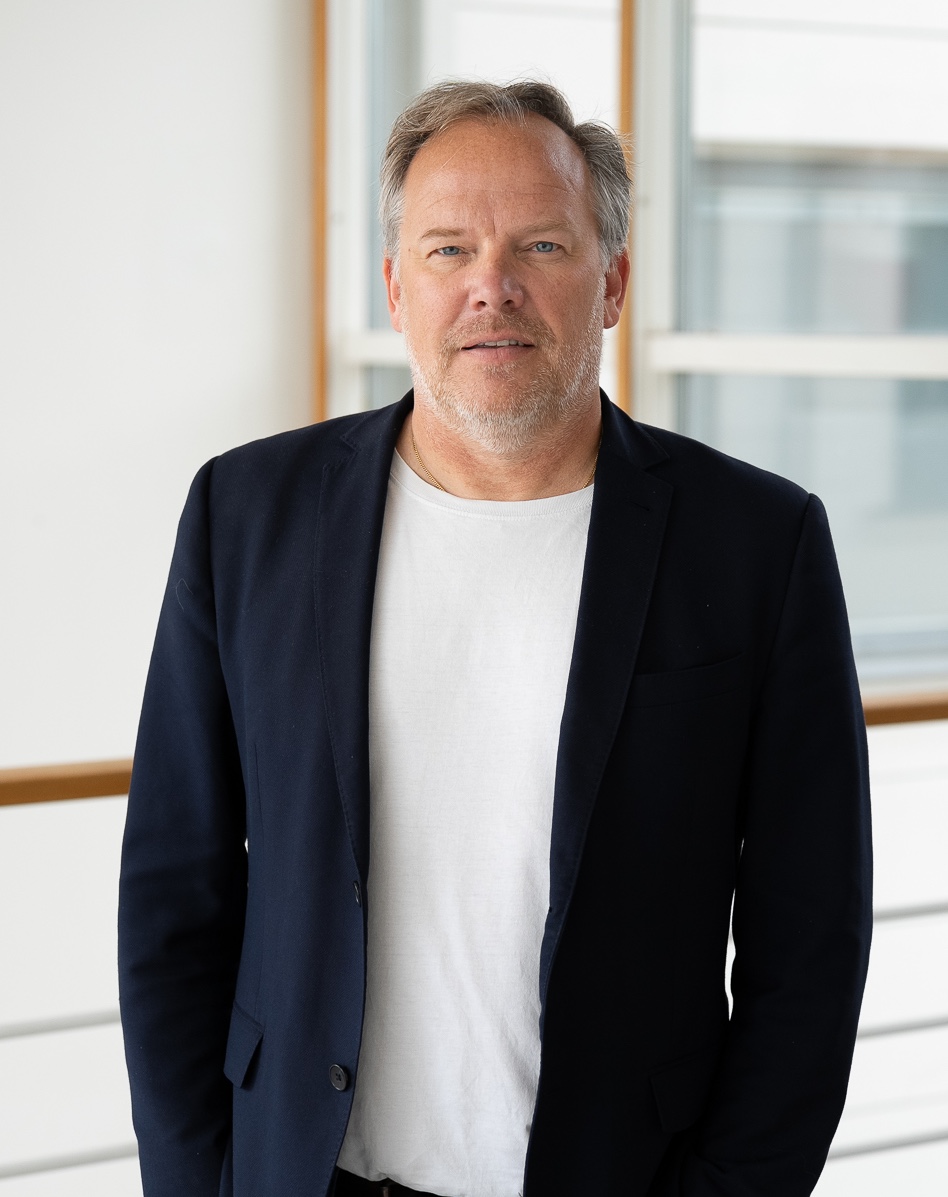 Change is an integral part of leadership. But how do you actually get an organisation to move forward? According to Jonas Fasth, successful change management is less about finding the perfect model and more about fostering understanding, learning and the right conditions for people to change their behaviour.
Jonas Fasth conducts research and teaches in areas including change management at the School of Business, Economics and Law, University of Gothenburg. A key principle underpinning his view of change is simple: Change is about the way we think.
We humans approach change with different knowledge, experiences, interests, goals, values and perceptions. This influences how we understand the situation, and our understanding, in turn, influences how we act.
Change begins with understanding
It is easy to think that change begins with a new strategy, organisation or process. Jonas turns this perspective on its head and describes change as the result of a deeper understanding.
For the leader, this means that it is not enough simply to understand why the organisation needs to change. This understanding must also be fostered among the people who are to make the change possible.
And this is where dialogue plays a crucial role. Jonas’s fundamental philosophy is that people act on the basis of their own interpretation of reality, and that a shared understanding of both the company’s strategy and day-to-day operations is forged through dialogue.
Forget about the ‘perfect’ model of change
There are plenty of change management models. However, simply choosing one model and following it step by step is no guarantee of success.
Jonas highlights a review of 62 studies in which a common explanation for failed change management is the use of standardised concepts that have not been adapted to the specific organisation’s culture and needs. The conclusion for the leader is therefore rather that find their own model based on who you are, what you believe in and the organisation you actually lead.
You can’t control everything
A traditional view of change is often based on the assumption that management sets the goal, draws up the plan and monitors activities until the organisation reaches the desired state. But reality is rarely that straightforward.
Much of the change work takes place, as Jonas puts it, ”off stage”. Employees interpret what is happening based on their own realities. Consequently, not everything that actually results from a change will have been planned from the outset. Some aspects of the strategy are implemented as intended, whilst others are dropped and new solutions emerge along the way.
The challenge for the leader is therefore to be able to move between monitoring and learning to set the direction whilst remaining responsive to what is happening within the organisation.
Change is also about removing
Another important question is what the organisation should no longer do.
Jonas describes change as a way of freeing up resources. When something new is to be created or given more space, something else often has to be scaled back or eliminated.
This provides the leader with four specific questions:
What should we get rid of? What should we do less of? What should we do more of? And what do we need to start doing that we aren’t doing at the moment?
In a day-to-day context where new initiatives are easily piled on top of old ones, that very discussion may be just as important as the question of what the next initiative should be.
Resistance is information
Resistance is a natural part of many changes, but the reasons for it can vary greatly.
This may be due to uncertainty, a lack of clarity regarding expectations, a strong attachment to the existing culture, a lack of conviction as to why the change is needed, or negative experiences from previous change initiatives. Sometimes employees simply feel that the change or the timing is wrong.
For the leader, therefore, the question is not merely ”How do we overcome the resistance?” but rather:
”What does this resistance reflect?”
The answer also determines what is needed: more information, greater involvement, support, dialogue or something else entirely.
 Leading change means creating the right conditions
 Leading change means creating the right conditions
Perhaps that is also where one of the most important lessons lies. Change management is not just about getting people to follow a pre-determined path.
It’s about setting the direction, fostering understanding and dialogue, having the courage to deprioritise certain things, whilst at the same time giving the organisation room to learn as it goes along.
As Jonas points out: Development takes time and requires energy. Determination and passion are therefore crucial to success.
Three questions to take back to your own organisation:
Do we understand why we need to change?
What do we need to stop doing to make room for something new?
And are we fostering enough dialogue to enable people to make the change their own?
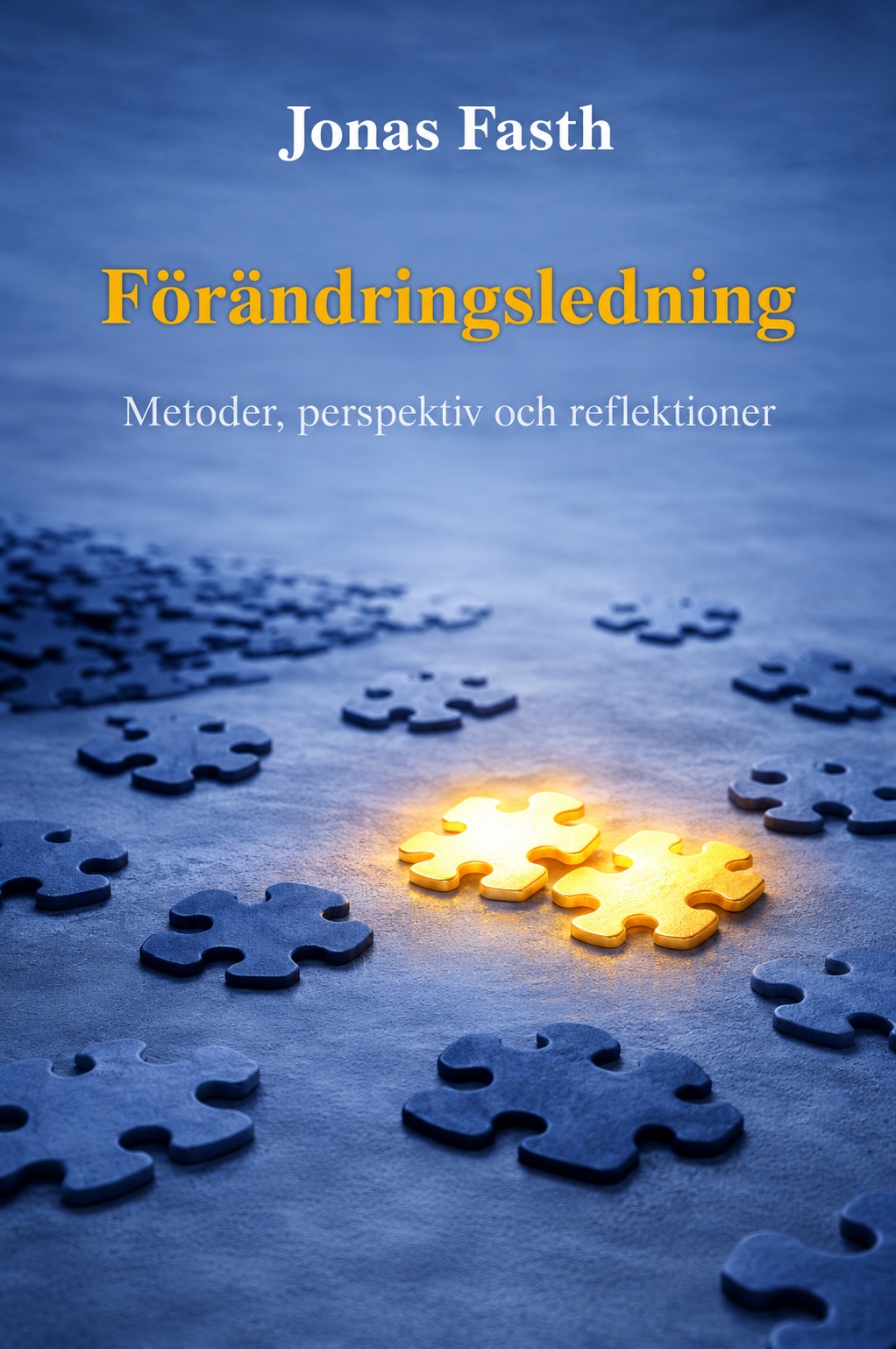
We at YesP can highly recommend Jonas Fasth’s book
Change management: models, perspectives and reflections